
The Flat-Coated Retriever as a gun dog
The Flat-Coated Retriever is an English retriever developed in the 1800s as a gamekeeper's dog for land and water. It matures slowly and stays playful for years, so training usually leans on short, upbeat sessions that build skill without dulling the dog's energy.
- 4.9 12 Google reviews
- Training since 2002
- Qualified at an AKC Master National
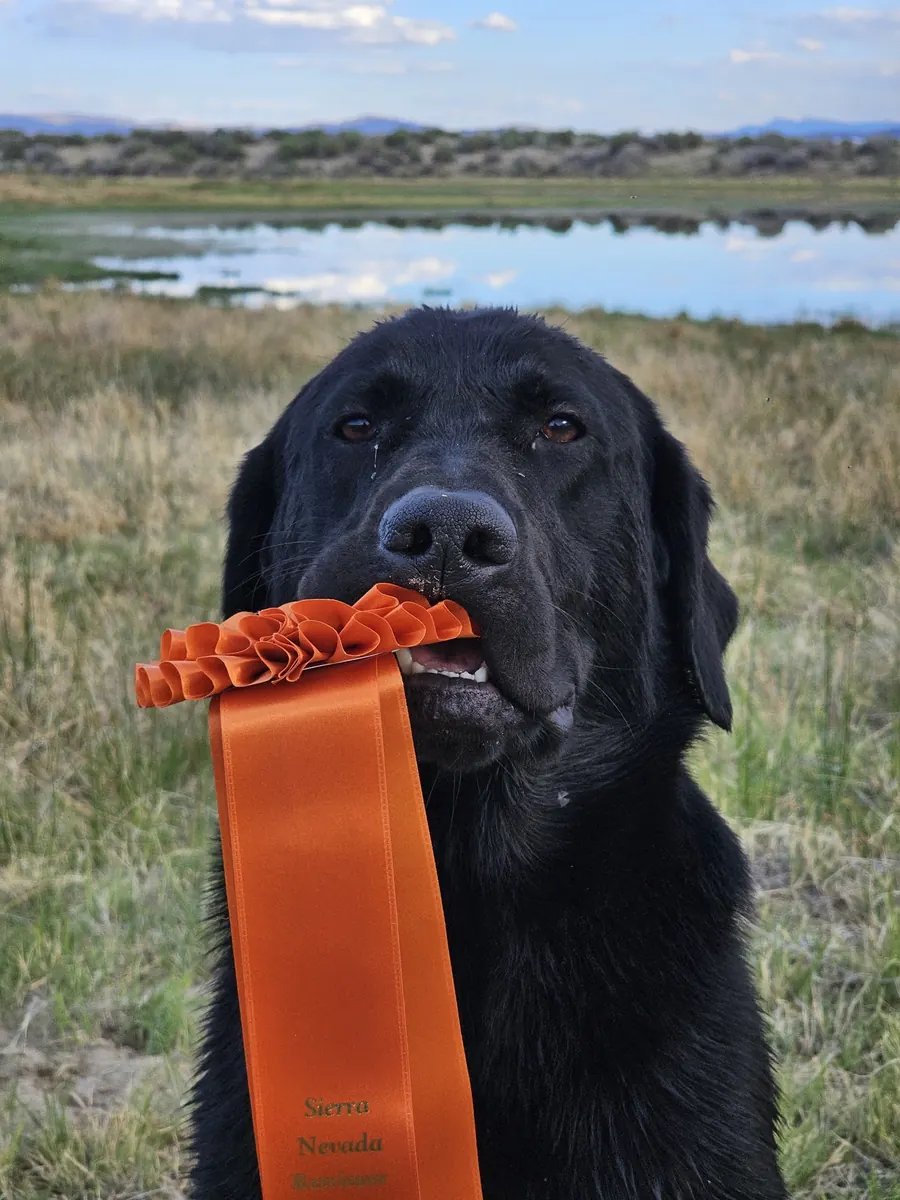
At a glance
Flat-Coated Retriever at a glance
- Origin
- England, 19th centuryAKC breed standard
- AKC group
- SportingAKC
- Typical weight
- 60-70 lbsAKC breed standard
- Hunting style
- Retriever (upland and waterfowl)AKC
Flat-coats are less common than Labs or Goldens, which is part of their appeal. This page covers what the breed was made for and how its training tends to unfold.
What the breed was made for
The AKC notes that the breed grew from the Newfoundland crossed with setters, sheepdogs and spaniel-like water dogs. It served English gamekeepers who needed a dog to retrieve on both land and water. The coat is black or liver, flat, thick and of good texture.
That all-around job is why a flat-coat suits a hunter who spends part of the season on waterfowl and part on upland birds.
Slow to mature, quick to enjoy the work
Breed fans describe the Flat-Coat as a dog that stays puppyish into its adult years. For training, that means patience in the first two seasons. A dog that looks grown may still be building focus, so sessions stay short and finish on a success.
The reward is a cheerful, handler-focused dog. Richard's stated philosophy of balance and building hunting desire fits this temperament well.
Training outline for a flat-coat
Whether you want a waterfowl partner, an upland dog or both, the foundation is the same. See marks and blind retrieves for how that skill is built.
- Early exposure to birds, water, gunfire at a distance and new places
- Basic obedience that holds when the dog is excited
- Delivery to hand and hold conditioning
- Singles and doubles, then blind retrieves
- Upland work: quartering, flush and retrieve, if you hunt pheasant or chukar
Choosing and raising a flat-coat puppy
Because the breed is less common, many owners wait for a litter or travel for a puppy. Ask the breeder about the parents' hunting background and temperament, and visit if you can. Once the puppy is home, early exposure matters more than early drilling: new surfaces, calm gunfire at a distance, wet grass, ponds and people. Read started dog or puppy for help deciding between raising your own and buying a dog that already has training.
Royal Gun Dogs programs for flat-coats
A flat-coat pup can start with Puppy Camp, which is upland oriented, then move to the Basic Waterfowl Program and, later, the Advanced Waterfowl Program. handler lessons help owners learn to run their own dog, and board-and-train works for owners across California.
Sources (3)
- American Kennel Club: akc.org/dog-breeds/flat-coated-retriever/ (checked October 27, 2026)
- American Kennel Club: akc.org/dog-breeds/sporting/ (checked October 27, 2026)
- Hastings Island Hunting Preserve: hihp.com/royal-gun-dogs-dog-training/ (checked October 27, 2026)
Matching program
Your trainer
Richard Gebhart has trained dogs professionally since 2002, learned the Rex Carr method for Retriever Basics under Billy Sargenti, and has run and qualified at an AKC Master National.
Meet RichardIs a Flat-Coated Retriever a good hunting dog?
Yes. The breed was developed to retrieve game on land and water.
Can a flat-coat do AKC hunt tests?
Yes, the breed is eligible for AKC retriever hunt tests. See AKC Junior Hunter.
How long does a flat-coat take to train?
Richard's Basic Waterfowl Program runs 10 to 16 weeks depending on the dog. Read how long to train a retriever.
Does a flat-coat need a lot of grooming?
The feathering collects burrs and seeds, so brush after field work.
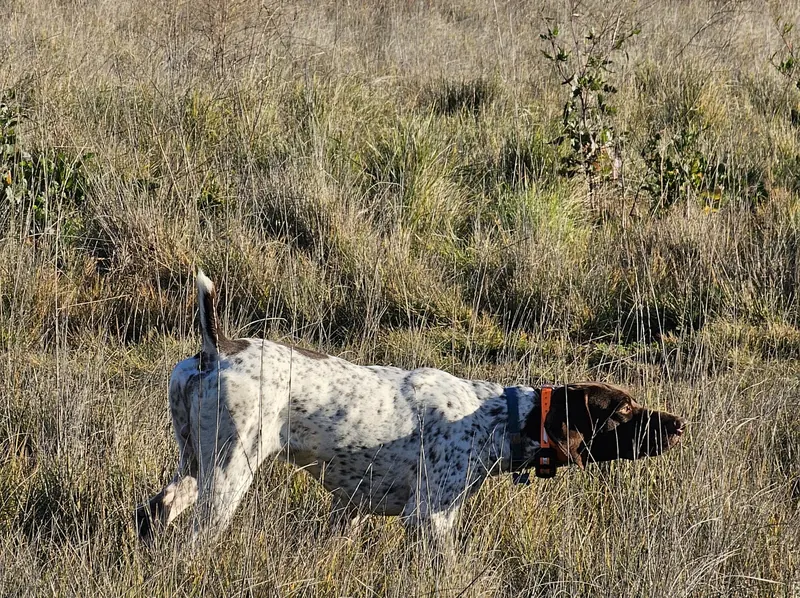
Book a consult
Get your dog ready for next season.
Richard books by phone. Call, text, or leave your details and he will call you back.
(530) 341-4496- 4.9 12 Google reviews
- Training since 2002